
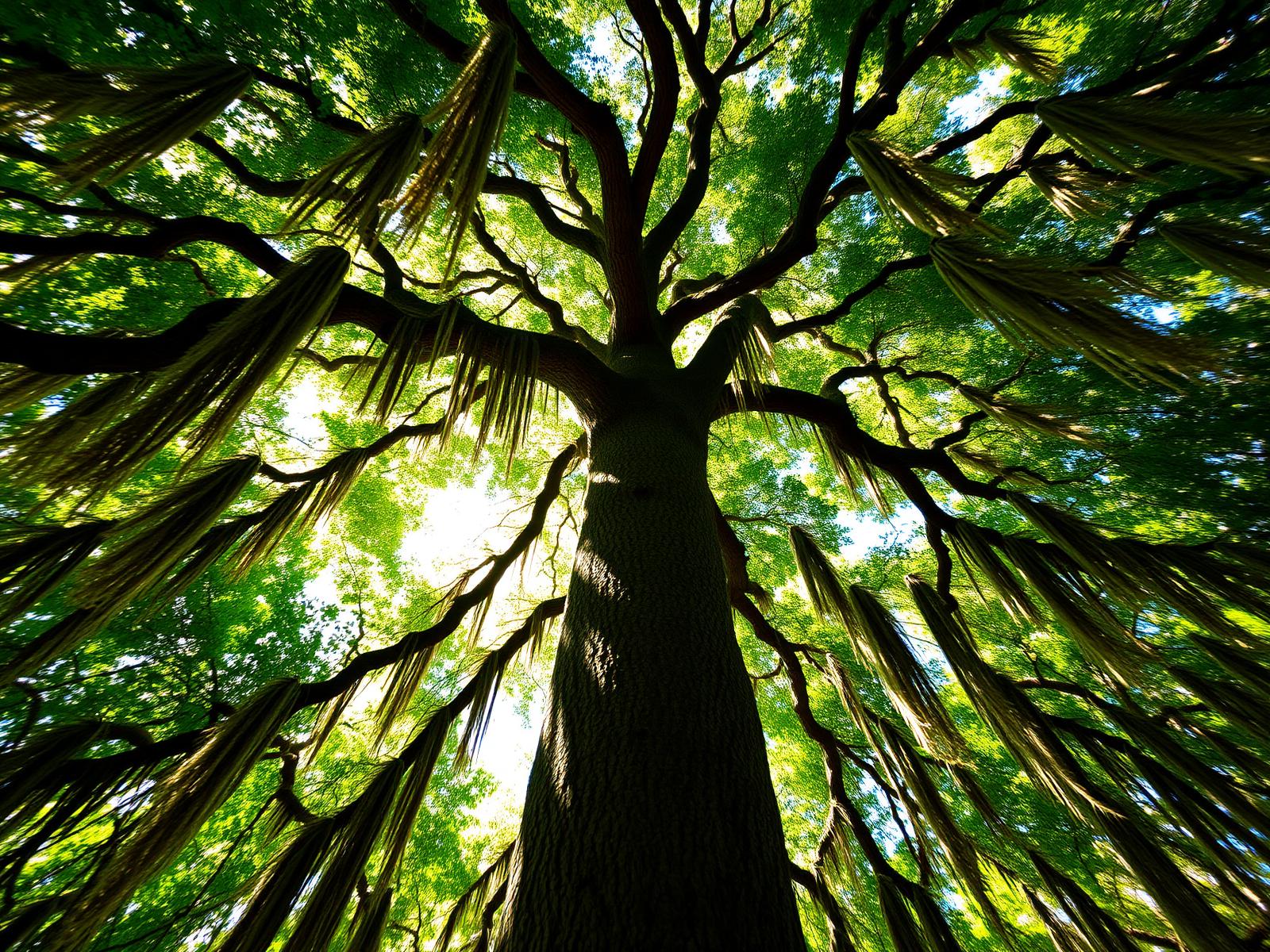
More than half the tree work we do — pruning, cabling, removal, root barrier installation — exists because someone planted the right tree in the wrong place twenty years ago. A live oak twelve feet from a foundation. A queen palm under a power line. A sweetgum hanging over a pool. The trees themselves are healthy; the locations are catastrophic.
Tree placement is the highest-leverage decision in a landscape, and it is almost always made informally — by whoever was holding the shovel, based on whatever was on sale at the nursery that week. Here is how to do it deliberately.
Step one: know the mature size
A four-foot nursery sapling is not a planting decision. The seventy-foot, fifty-foot-spread mature canopy that tree will become in forty years is the planting decision. Look up the species' mature dimensions before you dig. If you would not plant a billboard of that size in that location, do not plant the tree there.
Step two: respect the setbacks
Our working setbacks, measured from trunk center to the obstacle:
- Foundation of a house: at least 20 feet for large hardwoods, 15 feet for medium trees, 10 feet for small ornamentals.
- Overhead power lines: nothing tall under primary lines, period. Use small flowering trees (crape myrtle, redbud) only.
- Underground utilities: call 811 before any planting. Sewer laterals attract roots.
- Septic drainfield: keep large trees at least 30 feet from any drainfield component.
- Property line: half the mature canopy width, minimum, to avoid easement disputes.
- Swimming pool: 30 feet for deciduous trees; further is better.
- Driveway/sidewalk: 8 feet minimum for medium trees; 12 feet for large surface-rooters like ficus or live oak.
Step three: match the species to the site
Soil type, drainage, salt exposure, light, and microclimate all matter. A live oak that thrives in a sandy inland yard will struggle in a coastal lot with salt spray. A bald cypress is happy in a low wet spot where a magnolia would drown. Pull a soil test for any significant planting — the same panel we run for established trees works for site selection.
Step four: plant it right
- Dig the hole two to three times the width of the root ball, no deeper than the root ball itself.
- Find the root flare. Remove any soil or burlap covering it. The flare goes at or slightly above existing grade.
- Cut any circling roots. Score the sides of container-grown root balls vertically with a knife.
- Backfill with native soil — not amended. Recent research is clear: amending the planting hole creates a 'pot in the ground' that roots refuse to leave.
- Water deeply. Mulch 3-4 inches deep from the trunk flare to the dripline, keeping mulch back from the trunk itself.
- Stake only if necessary, and remove stakes after one growing season.
- Do not fertilize at planting. Wait one full year.
Step five: water for establishment
A newly-planted tree needs deep, regular water for the first two growing seasons while the root system extends beyond the original root ball. After that, established trees in Florida rarely need supplemental water except during severe drought. Most established trees are killed by overwatering, not underwatering.