
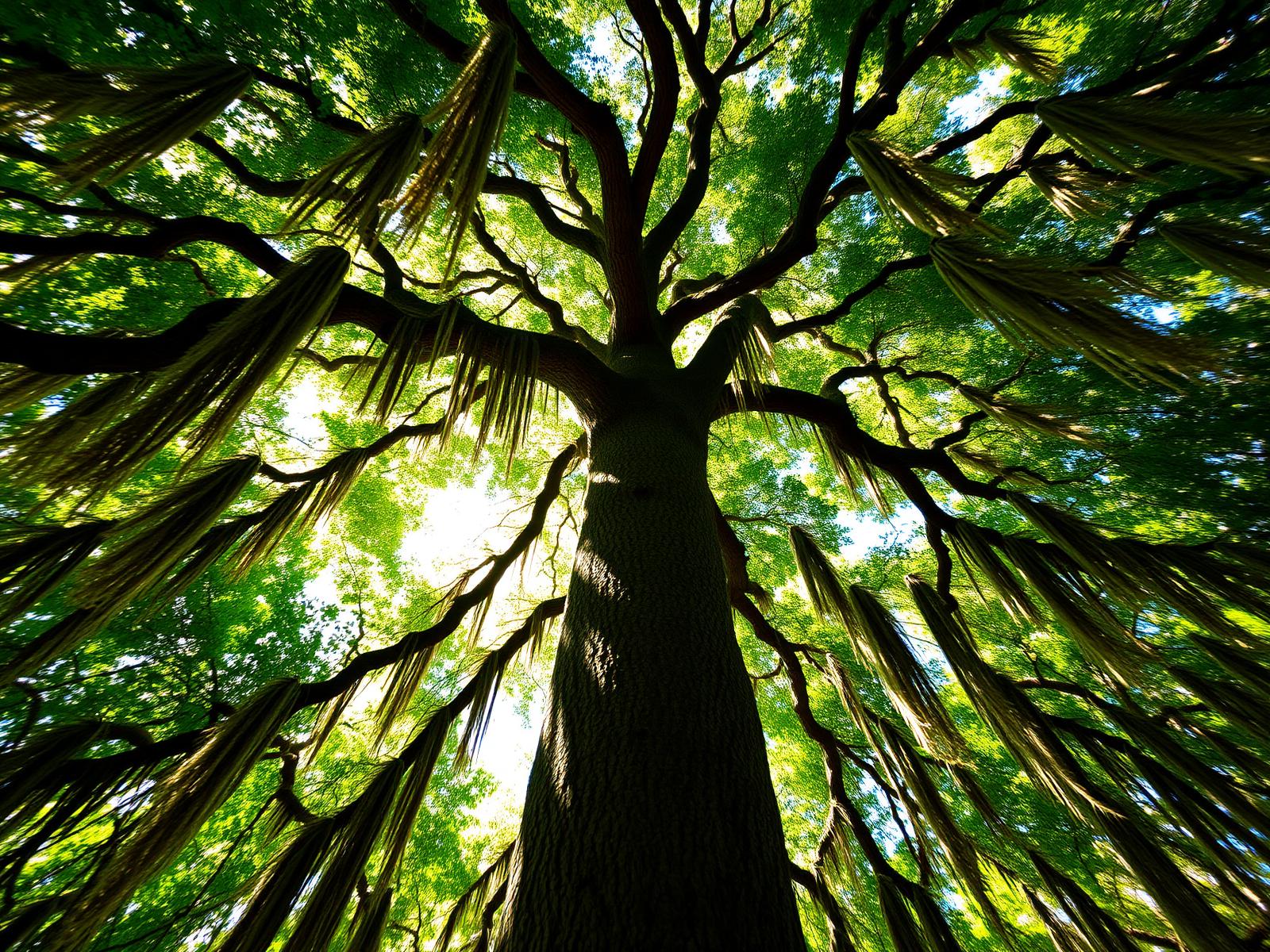
If you are putting an addition on the house, adding a pool, repaving the driveway, or running new utilities, every mature tree on your property is at risk. Most of the damage from construction is invisible at the time, expresses three to seven years later as canopy decline, and by then it is too late to do anything about it.
The damage is preventable, but it has to be prevented before the equipment arrives. Once a backhoe has driven across the root zone, the harm is done.
Why construction kills trees
Three mechanisms, in roughly equal proportion:
- Soil compaction. Heavy equipment driving over the root zone collapses soil pore space. Roots need oxygen to function. Compacted soil suffocates them, slowly, over years.
- Root severance. Trenches for utilities, foundations, pools, irrigation. Cut more than 25–30% of a tree's roots and decline is virtually certain.
- Grade change. Adding more than two inches of fill over the root zone, or stripping more than two inches off, disrupts the oxygen and water exchange the roots have adapted to.
The tree protection zone
Industry standard, codified in ANSI A300 Part 5, is to establish a Tree Protection Zone (TPZ) extending at minimum to the dripline — the outer edge of the canopy projected to the ground. A larger TPZ (1.5 feet of radius per inch of trunk diameter) is better, especially for older specimens. Inside the TPZ:
- No equipment, no foot traffic, no material storage, no vehicle parking — full stop.
- No grade change, no trenching, no soil amendment.
- Fence the zone with six-foot chain link or equivalent, anchored to the ground. Not orange ribbon. Not flagging tape. A real fence the operator cannot ignore.
- Post signage explaining the protection requirement.
When the TPZ has to be violated
Sometimes the project geometry simply does not allow a full TPZ — the addition has to go where the addition has to go. In that case, the goal is to minimize and mitigate, not pretend.
- Tunnel under roots rather than trenching across them. Directional boring saves trees.
- If roots must be cut, cut them cleanly with a sharp tool — never tear with a backhoe. Clean cuts compartmentalize; tears do not.
- Apply 6 inches of coarse mulch over any area that will see foot traffic to distribute load.
- Run pre- and post-construction soil and resistograph readings to document baseline tree health.
The arborist's role
On any significant construction project involving mature trees, get an ISA-certified arborist on the team before site work begins. We write tree protection specs into the construction documents, attend pre-con meetings with the GC, and inspect the site through the project. The cost is a fraction of the value of a single mature live oak and a tiny fraction of the cost of replacing one.