
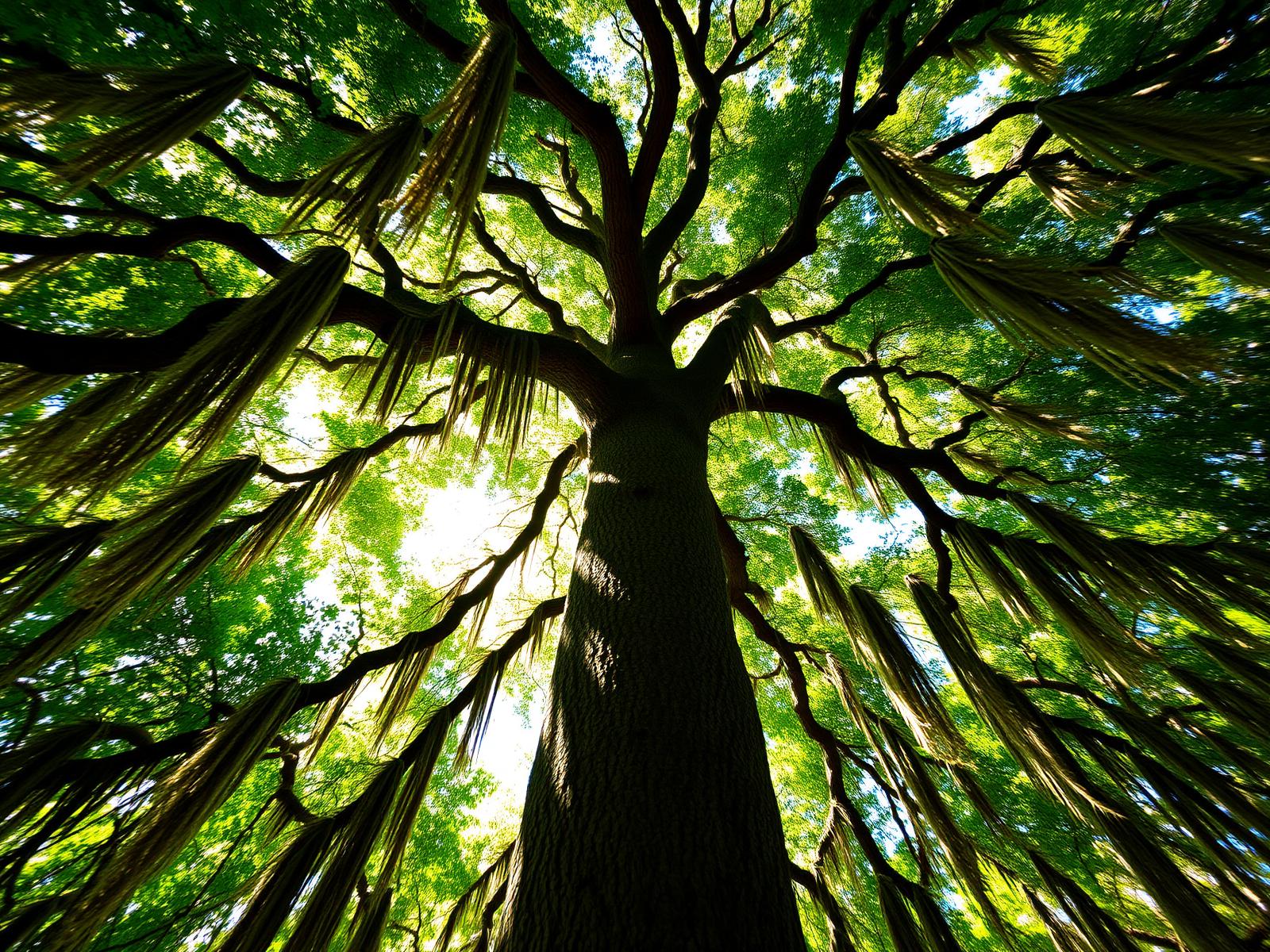
Most established Florida trees do not need supplemental irrigation. The ones that do need it deeply and infrequently. Almost every residential irrigation system in the state is configured to do the opposite — short, daily cycles aimed at lawn — and that pattern is the single most common preventable cause of tree decline we diagnose.
What short daily cycles do
A 10-minute spray-head cycle wets the top two inches of soil. The water never reaches the deep tree roots. Worse, the constantly-wet upper soil encourages tree roots to migrate upward, where they then dry out between cycles and where they are vulnerable to mowing damage, surface compaction, and salt accumulation.
Trees adapted this way become irrigation-dependent. Cut the water for a week — a vacation, a broken zone, a county restriction — and they decline rapidly because the deep root system never developed.
What deep, infrequent watering does
A long cycle — 60 to 90 minutes once or twice a week — soaks the soil profile to 12+ inches. Roots follow the water down. Between cycles, the upper soil dries out, the deep soil stays moist, and roots get the alternating wet/dry oxygenation they need to stay healthy. The tree becomes drought-resilient.
The conflict with lawn programs
Lawn wants short, frequent water. Trees want long, infrequent water. The two cannot share a zone. The fix is either separate zones (ideal, expensive) or accepting that whichever schedule is set, the other plant type is being managed sub-optimally. We generally recommend running tree zones manually with a hose-end timer two to four times a month and letting the lawn zones do their thing.
Mulch is half the answer
Three to four inches of coarse organic mulch, applied from the trunk flare out to the dripline (and never piled against the trunk — that is the 'mulch volcano' that rots bark and creates the conditions for root collar disease), does more for tree water status than any irrigation tweak. Mulch moderates soil temperature, slows evaporation, suppresses competing turf, and feeds soil microbiology as it breaks down.