We get the same question every week, usually from a homeowner who has just been told two contradictory things by two contractors: 'You can't touch that oak, it's protected.' and 'Florida law lets you cut anything in your yard, no permit needed.' Both are wrong in the specific case that matters, and both are partially right. The truth is in a single state statute that most arborists have never read end to end.
The statute: Florida § 163.045
In 2019 the Florida Legislature passed and Governor DeSantis signed a private-property tree law (codified at § 163.045) that preempts local government tree ordinances under one specific condition: a residential property owner may prune, trim, or remove a tree on their property without a local permit or replacement requirement IF they obtain documentation from an ISA-certified arborist or licensed Florida landscape architect stating that the tree presents a danger to persons or property.
The 2022 amendment tightened the standard. The documentation must specifically address the tree's risk to persons or property — not its inconvenience, not its leaf litter, not its proximity to a future pool. The arborist's risk assessment is the gating instrument. Without it, the local ordinance still controls.
Where municipal ordinances still control
If the tree is healthy, the statute does not give you a free pass. Most Florida counties and many cities — Orlando, Tampa, Gainesville, Tallahassee, Coral Gables, Miami Beach, Winter Park, Jacksonville, and dozens of others — maintain heritage tree, historic tree, or specimen tree ordinances. These typically apply to:
- Live oaks (Quercus virginiana) above a specified diameter at breast height, usually 18 to 30 inches.
- Bald cypress, mahogany, gumbo limbo, and other native or specimen species above species-specific thresholds.
- Any tree designated 'historic' by a local registry.
- Trees in setbacks, buffers, or required landscape areas tied to the property's certificate of occupancy.
Cutting one of these without a permit, where required, can carry per-inch fines — we have seen invoices over $10,000 for a single removed mature oak in jurisdictions like Coral Gables and Winter Park. The 2019 law does not erase those penalties when the tree is not a documented hazard.
Commercial and HOA property: read the fine print
§ 163.045 applies to residential property. Commercial properties, condominium common elements, and HOA-controlled landscape buffers are not exempted. If you manage a shopping center or a townhome community, assume your local tree ordinance applies in full and budget the permit timeline (typically 2–6 weeks) into any removal project.
What an arborist's hazard letter actually says
A defensible risk assessment under § 163.045 uses ISA's Tree Risk Assessment Qualification (TRAQ) framework. The document identifies the tree (species, DBH, GPS coordinates, photographs), the target (what would be hit if it failed — house, driveway, public sidewalk, neighbor's structure), the likelihood of failure, the likelihood of impact, and the consequence. It concludes with a risk rating: low, moderate, high, or extreme. Only moderate and above generally support removal under the statute, and the document should explain which mitigation alternatives (cabling, end-weight reduction, target removal) were considered and rejected, and why.
A one-line note that says 'tree is dangerous' is not a TRAQ assessment and may not survive a code enforcement challenge. We have seen these get thrown out in three Florida counties already.
Wetlands and protected areas
If your oak is on jurisdictional wetlands, in a conservation easement, or within a public right-of-way, the state law and your city ordinance both yield to federal and water management district rules. SJRWMD, SFWMD, and SWFWMD each maintain their own permitting regime. This is the most common place homeowners get themselves in serious trouble — removing a hazard tree from the edge of a retention pond can become a federal Clean Water Act issue if the pond is jurisdictional.
Live oaks specifically
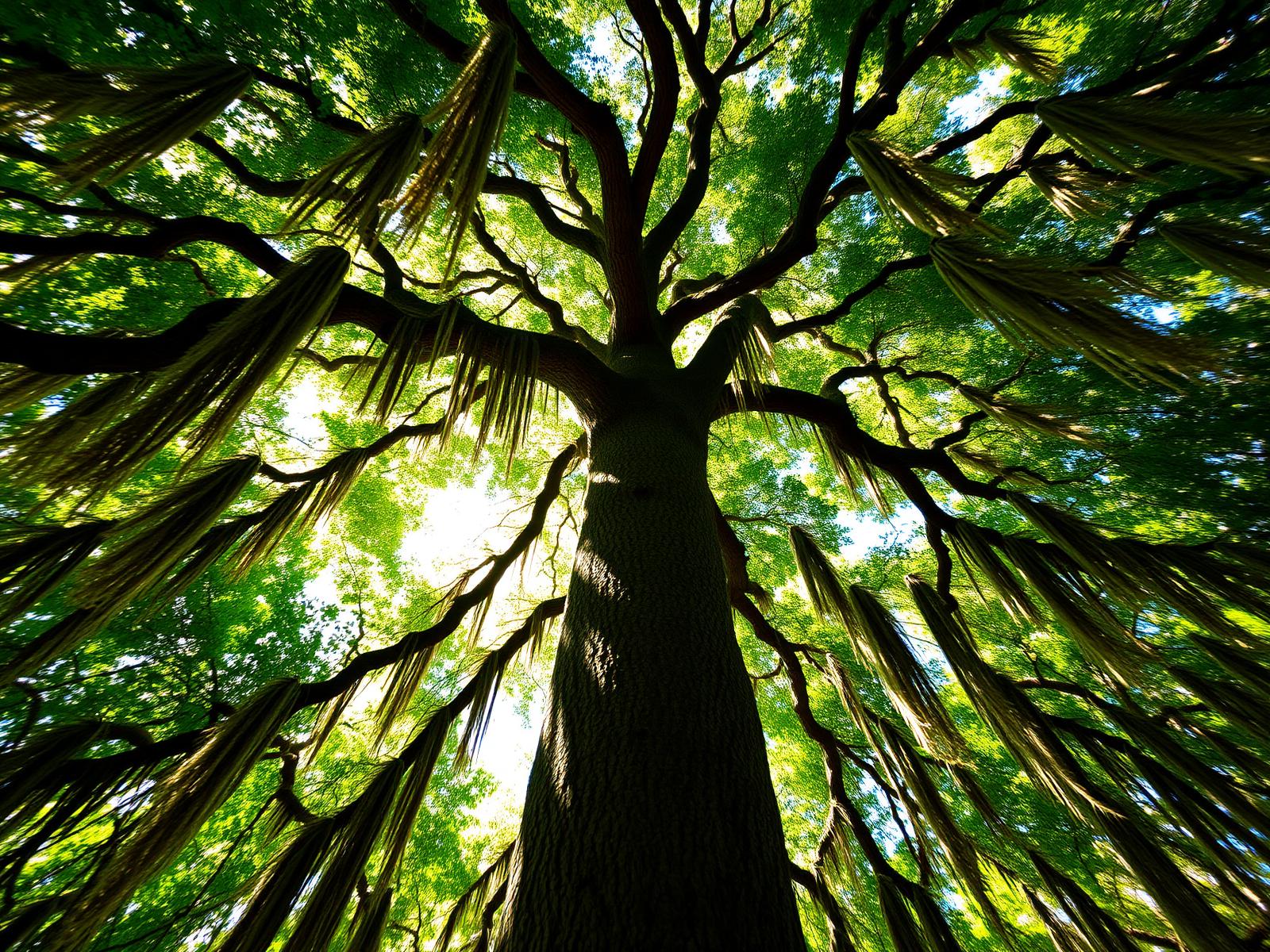
Live oaks are not categorically protected by state law. They are, however, frequently the species most aggressively protected by local ordinance because they take 80+ years to replace, they are culturally significant to Florida, and they are the keystone canopy species in most of the peninsula. If you are removing a live oak you should expect the burden of proof to be higher than for, say, a Brazilian pepper.
Tree Rx clients get a baseline TRAQ rating on every significant tree on their property as part of the annual audit, which means the documentation already exists if a hazard develops between visits. That is one of the quietest but most valuable parts of the program.